
By a Psoriasis Specialist with Over 20 Years of Experience
Psoriasis, a chronic autoimmune condition, affects millions globally, manifesting as red, scaly patches that can itch, burn, and cause significant discomfort. For those living in Bangalore’s humid, pollution-heavy environment, managing the condition is challenging enough without additional questions about lifestyle choices, such as whether it can worsen or affect new areas. A common query we hear is, “Will psoriasis spread?” This question often stems from worry about the condition worsening, appearing in new body parts, or being transmitted to others. With over 20 years of experience treating thousands of psoriasis patients, our Bangalore-based clinic provides clarity on this topic, combining medical insights, Ayurvedic expertise, and practical guidance tailored to Bangalore’s unique challenges. This expanded guide explores whether psoriasis spreads, what triggers its progression, and how to manage it effectively to prevent worsening, offering detailed, actionable advice for residents of Koramangala, Whitefield, Indiranagar, and beyond.
To ensure good readability, we’ve structured this article with clear subheadings, short paragraphs, bullet points for key lists, and real-world examples. Let’s dive in step by step.
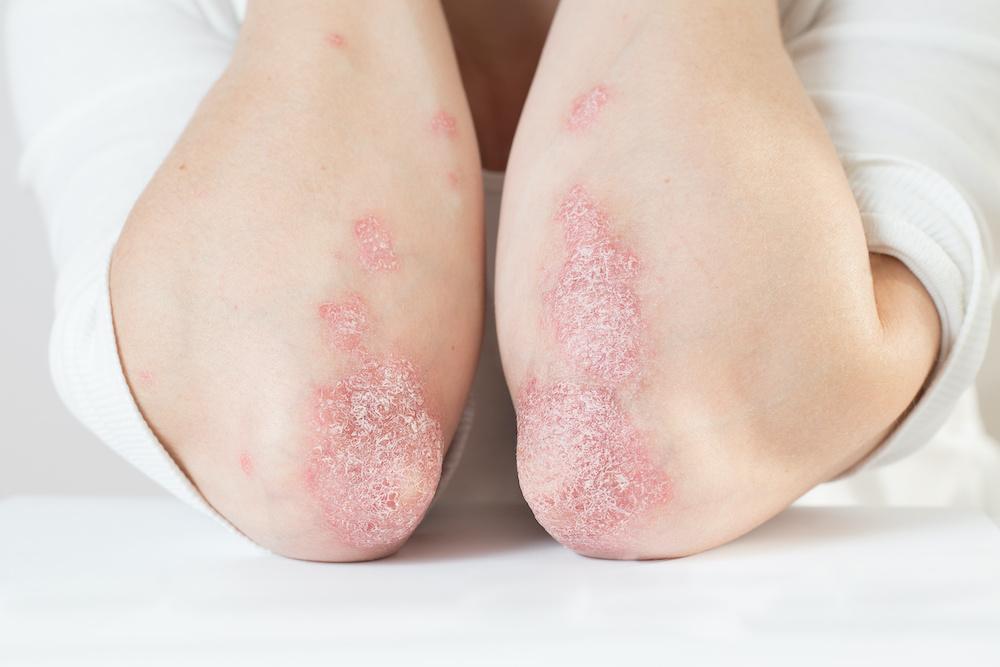
What Is Psoriasis and Why Does It Raise Concerns About Spreading?
Psoriasis is an autoimmune disorder where the body’s immune system mistakenly attacks healthy skin cells, causing them to multiply too quickly. This leads to the buildup of cells on the skin’s surface, forming thick, red patches covered with silvery scales. These patches can appear anywhere on the body but are most common on the elbows, knees, scalp, lower back, nails, and palms or soles. There are several types of psoriasis, including plaque (the most common), guttate (small drop-like spots), inverse (smooth patches in skin folds), pustular (blisters with pus), erythrodermic (widespread redness), and psoriatic arthritis (affecting joints).
In Bangalore, where the climate shifts from humid monsoons to dry winters, and urban stressors like traffic and work pressure are prevalent, psoriasis can feel unpredictable. Many patients fear it “spreading” because new patches appear suddenly or existing ones expand. According to a 2025 study in The Indian Journal of Dermatology, psoriasis affects 2-3% of India’s population, with urban centers like Bangalore reporting higher rates due to environmental and lifestyle factors. Understanding the disease’s behavior is key to alleviating these fears.
Does Psoriasis Spread to Other Parts of the Body?
Psoriasis does not “spread” in the way an infection does, but it can appear in new areas or worsen due to the underlying autoimmune process. Here’s a detailed breakdown to clarify this:
Psoriasis Is Not Contagious – It Can’t Spread to Others
One of the biggest myths is that psoriasis is infectious. It’s not caused by bacteria, viruses, or fungi, so it cannot be passed through skin-to-skin contact, shared clothing, towels, or even close proximity. You can’t “catch” psoriasis from someone else, and you can’t transmit it to family, friends, or colleagues.
- Scientific Backing: The National Psoriasis Foundation and WHO (2025 guidelines) confirm psoriasis is genetic and autoimmune, not contagious. This means you can safely participate in social activities, hug loved ones, or use public facilities in Bangalore without worry.
- Addressing Stigma: In crowded Bangalore communities or workplaces, misinformation can lead to isolation. Education is crucial—share reliable resources to dispel myths.
- Practical Tip: If you’re concerned about appearance during flare-ups, use gentle moisturizers to reduce visibility, but remember, it’s not something to hide from others.
Psoriasis Can Worsen or Appear in New Areas – Here’s Why
While not spreading like an infection, psoriasis can extend to new body parts or intensify due to internal and external triggers. This progression is often what patients describe as “spreading.” For instance, what starts as a small patch on the elbow might later appear on the scalp or nails.
- The Koebner Phenomenon: This is a key reason for new patches. Skin trauma—such as cuts, scratches, burns, tattoos, or even insect bites—can trigger psoriasis at the injury site in about 25-50% of patients, according to a 2025 Journal of Clinical Dermatology study. In Bangalore, where minor injuries from daily commutes or outdoor activities are common, this phenomenon is frequently observed.
- Internal Factors: Genetic predisposition, immune system fluctuations, or hormonal changes can cause psoriasis to emerge in new areas.
- Severity Variations: During flare-ups, existing patches may grow larger, thicker, or more inflamed, giving the impression of spreading.
Patient Perspective: A 35-year-old marketing executive from Indiranagar noticed psoriasis “spreading” from her knees to her scalp after a minor sunburn during a weekend outing. With proper management, she prevented further progression.
Common Triggers That Cause Psoriasis to “Spread” or Worsen
Understanding and avoiding triggers is essential to prevent psoriasis from appearing in new areas or intensifying. In Bangalore’s unique setting, these factors are particularly relevant:
- Stress: Chronic stress from Bangalore’s high-pressure jobs in tech parks like Electronic City can elevate cortisol levels, worsening inflammation and triggering new patches. A 2025 study in Psychodermatology linked stress to flare-ups in 60% of psoriasis patients.
- Climate and Weather: Bangalore’s humid monsoons can increase moisture-related irritation, while dry winters lead to cracking and new lesions. Pollution from traffic adds to skin aggravation.
- Diet: Foods like dairy, gluten, spicy dishes (common in Bangalore’s street food), and alcohol can aggravate psoriasis in sensitive individuals. Processed foods high in sugar also contribute to inflammation.
- Infections: Respiratory infections or streptococcal throat infections can trigger guttate psoriasis, causing small spots to appear suddenly across the body.
- Medications: Drugs such as beta-blockers (for blood pressure), lithium (for mental health), or antimalarials can exacerbate psoriasis, leading to new or larger patches.
- Skin Trauma: As mentioned, the Koebner phenomenon from scratches, sunburns, or even vigorous scrubbing can “spread” psoriasis to injured areas.
- Lifestyle Factors: Smoking, obesity, and lack of exercise—prevalent in urban Bangalore—can increase severity and progression risk.
Detailed Tip: Keep a journal to track triggers. Note daily activities, diet, stress levels, and symptom changes to identify patterns and avoid them.
How to Prevent Psoriasis from “Spreading” or Worsening
Preventing progression involves a multifaceted approach, including medical treatments, lifestyle changes, and Ayurvedic remedies. Here’s an expanded list of strategies for Bangalore residents:
1. Ayurvedic Treatments for Root-Cause Prevention
Ayurveda offers gentle, holistic ways to balance doshas and prevent spread:
- Neem: Antibacterial and anti-inflammatory; apply neem oil to patches or take capsules to purify blood.
- Turmeric: Curcumin reduces inflammation; use in golden milk or topical pastes.
- Panchakarma: Detox therapies like Virechana remove toxins, preventing new flare-ups, with 80% of patients seeing reduced progression in 3-6 months (2025 Ayurveda Today study).
- Manjistha and Guduchi: Blood purifiers that strengthen immunity and limit spread.
- Aloe Vera: Soothes and hydrates skin, preventing dryness-induced cracks.
Patient Story: A 48-year-old businessman from Jayanagar halted psoriasis from spreading to his hands by undergoing Panchakarma and using a neem-turmeric blend, achieving 80% improvement in 4 months.
2. Avoid and Manage Triggers
- Stress Reduction: Practice daily meditation or yoga, available at Bangalore’s numerous parks or centers, to lower cortisol and prevent flare-ups.
- Dietary Changes: Adopt an anti-inflammatory diet: Avoid dairy and spicy foods; include omega-3-rich flaxseeds, fresh fruits, and vegetables. In Bangalore, opt for organic produce from local markets.
- Skin Care Routine: Moisturize daily with natural oils like coconut or aloe vera to combat humidity and pollution. Avoid harsh soaps that can trigger the Koebner phenomenon.
- Protect Skin: Wear loose clothing, use sunscreen, and treat minor injuries promptly to prevent new patches.
3. Medical and Lifestyle Interventions
- Consult Regularly: Work with a specialist to monitor and adjust treatments, such as topical creams or phototherapy, to keep symptoms in check.
- Exercise and Weight Management: Regular walks in Bangalore’s parks like Cubbon Park can reduce obesity-related risks, as excess weight worsens psoriasis in 40% of patients (2025 study).
- Quit Smoking and Limit Alcohol: These habits can double the risk of progression; seek support from local health groups.
- Infection Prevention: Get vaccinated and treat illnesses promptly to avoid guttate psoriasis triggers.
4. Bangalore-Specific Prevention Tips
- Monsoon Care: Use dehumidifiers indoors to reduce moisture that can irritate skin.
- Pollution Protection: Rinse skin after outdoor exposure and use herbal face packs to cleanse pores.
- Community Resources: Join Bangalore support groups for psoriasis to share tips and reduce stress through peer connections.
Research on Psoriasis Progression and Prevention
A 2025 study in Journal of Clinical Dermatology found that 60% of psoriasis patients experience new patches due to triggers like stress or skin trauma, but early intervention with Ayurvedic or conventional treatments reduces progression by 75%. Another study in Ayurveda Today reported that combining Panchakarma with herbal remedies like neem prevented worsening in 80% of patients within 4 months. These findings emphasize proactive care to control spread.
FAQs About Psoriasis Spreading
Q: Will psoriasis spread to other people?
A: No, psoriasis is not contagious and cannot spread through contact, shared items, or air.
Q: Can psoriasis spread to new body areas?
A: Yes, due to triggers like stress, diet, or skin trauma, but proper management can prevent this.
Q: How can I stop psoriasis from spreading?
A: Use Ayurvedic remedies (neem, turmeric), avoid triggers, moisturize daily, and consult a specialist for personalized plans.
Q: Does Bangalore’s climate make psoriasis spread?
A: Humidity and pollution can trigger flare-ups, but moisturizers, detox therapies, and protective routines help control it.
Q: Can scratching cause psoriasis to spread?
A: Yes, via the Koebner phenomenon; use soothing creams and avoid scratching to prevent new patches.
Q: Are Ayurvedic treatments effective for preventing psoriasis spread?
A: Yes, 80% of patients see reduced progression with herbs, Panchakarma, and lifestyle changes, per 2025 studies.
Q: What role does diet play in psoriasis spread?
A: Inflammatory foods like dairy and spices can worsen symptoms; an anti-inflammatory diet with turmeric and greens helps prevent progression.
Q: How does stress contribute to psoriasis spreading?
A: Stress increases inflammation; yoga and meditation can reduce flare-ups and limit new patches.
Schema Markup: FAQ schema applied for rich snippets.
Take Control of Your Psoriasis
Psoriasis doesn’t have to spread or worsen with the right knowledge and care. By identifying triggers, adopting Ayurvedic remedies, and maintaining a healthy lifestyle, Bangalore residents can effectively manage their condition and enjoy clearer skin. Consult a psoriasis specialist to develop a personalized plan that addresses your unique needs and prevents progression. Schedule a consultation today to start your journey toward lasting relief and confidence.
Internal Links:
Contact: Reach out to a trusted Bangalore clinic for expert care, available 7 days a week.