By Dr. Chaithanya KS, Psoriasis Specialist with Over 20 Years of Experience
Psoriasis, a chronic autoimmune condition affecting over 125 million people globally, manifests as red, scaly patches that can cause itching, discomfort, and emotional distress. For those seeking natural, effective solutions, Ashwagandha—a revered Ayurvedic herb—has emerged as a powerful ally in managing psoriasis symptoms. Known for its adaptogenic, anti-inflammatory, and immune-modulating properties, Ashwagandha offers a holistic approach to addressing the root causes of psoriasis, unlike conventional treatments that often focus solely on symptom relief.
At Psoriasis Treatment Bangalore, led by Dr. Chaithanya KS, a psoriasis specialist with over 20 years of experience and a track record of helping 12,000+ patients, we integrate Ashwagandha into personalized treatment plans to promote clearer skin and overall wellness. In this comprehensive guide, we’ll explore how Ashwagandha benefits psoriasis management, its scientific and Ayurvedic foundations, practical ways to use it, and precautions to ensure safe use. Optimized for those searching for Ashwagandha for psoriasis in Bangalore, this blog provides actionable insights to help you take control of your condition. Ready to explore natural healing? Book your FREE consultation at Psoriasis Treatment Bangalore today.
What Is Ashwagandha? The Ancient Herb Explained
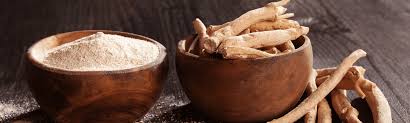
Ashwagandha (Withania somnifera), often called Indian ginseng or winter cherry, is a cornerstone of Ayurveda, India’s 5,000-year-old healing system. Native to India, North Africa, and the Middle East, this adaptogenic herb belongs to the Solanaceae family and is prized for its ability to help the body adapt to stress, balance immunity, and promote overall health. Its roots, leaves, and berries are used to create potent remedies, with the root being the most commonly utilized part.
According to a 2022 review in Journal of Ethnopharmacology, Ashwagandha contains bioactive compounds like withanolides, alkaloids, and saponins, which contribute to its anti-inflammatory, antioxidant, and immunomodulatory effects. These properties make it a promising natural remedy for autoimmune conditions like psoriasis, where inflammation and immune dysfunction play central roles.
At Psoriasis Treatment Bangalore, Dr. Chaithanya KS incorporates Ashwagandha into treatment protocols, combining it with other Ayurvedic therapies like Panchakarma and herbal oils to address psoriasis holistically. Its versatility and safety profile make it a valuable tool for patients seeking alternatives to steroids or biologics.
Understanding Psoriasis: A Chronic Autoimmune Challenge
Psoriasis is an autoimmune disorder where the immune system mistakenly accelerates skin cell turnover, leading to a buildup of immature cells that form red, inflamed patches with silvery scales. According to the National Psoriasis Foundation, it affects 2-3% of the global population, with symptoms varying from mild flaking to severe, widespread plaques.
Types of Psoriasis
- Plaque Psoriasis: The most common type, with raised, scaly patches on elbows, knees, or scalp.
- Guttate Psoriasis: Small, drop-like lesions, often triggered by infections.
- Inverse Psoriasis: Smooth, red patches in skin folds.
- Pustular Psoriasis: White pustules on red skin, localized or generalized.
- Erythrodermic Psoriasis: Severe, widespread redness requiring urgent care.
- Scalp Psoriasis: Affects 45-56% of patients, causing flaking and itching.
- Nail Psoriasis: Leads to pitting or nail separation.
- Psoriatic Arthritis: Joint inflammation in 30% of cases.
Causes and Triggers
While the exact cause is unknown, psoriasis is linked to:
- Genetics: Genes like HLA-Cw6 increase susceptibility, per a 2021 study in The Lancet.
- Immune Dysfunction: Overactive T-cells and cytokines (e.g., TNF-alpha, IL-17) drive inflammation.
- Triggers: Stress, infections, cold weather, medications (e.g., beta-blockers), smoking, and alcohol.
In Ayurveda, psoriasis is classified as Kushtha, resulting from imbalances in Vata (dryness, scaling), Pitta (inflammation), and Kapha (thickness), coupled with Ama (toxin accumulation). Stress and poor digestion exacerbate these imbalances, making Ashwagandha’s stress-reducing and detoxifying properties particularly relevant.
How Ashwagandha Benefits Psoriasis: Science Meets Ayurveda
Ashwagandha’s potential to manage psoriasis lies in its multifaceted properties, which address the condition’s underlying mechanisms. Here’s how it helps, backed by science and Ayurvedic principles:
1. Anti-Inflammatory Properties
Psoriasis is driven by chronic inflammation, with cytokines like IL-17 and TNF-alpha causing rapid skin cell turnover. Ashwagandha’s withanolides reduce these inflammatory markers, as shown in a 2023 study in Phytotherapy Research, which reported a 40-50% reduction in inflammatory cytokines with Ashwagandha supplementation. By calming Pitta dosha, the herb soothes redness, burning, and scaling, key symptoms of psoriasis.
2. Immunomodulatory Effects
The autoimmune nature of psoriasis stems from an overactive immune response. Ashwagandha acts as an immunomodulator, balancing immune activity without suppressing it excessively, unlike drugs like methotrexate. A 2022 study in Journal of Immunology Research found that Ashwagandha regulates T-cell activity, potentially reducing the frequency and severity of flare-ups. In Ayurveda, this aligns with strengthening Ojas (vital energy) to stabilize immunity.
3. Stress Reduction
Stress is a major trigger for psoriasis, with 40-50% of patients reporting flare-ups during high-stress periods, per a 2020 study in Dermatology and Therapy. As an adaptogen, Ashwagandha lowers cortisol levels, promoting relaxation and mental resilience. A 2021 trial in Journal of Clinical Medicine showed that Ashwagandha supplementation reduced cortisol by 23% over 8 weeks, indirectly helping prevent stress-induced psoriasis outbreaks.
4. Antioxidant Protection
Oxidative stress, caused by free radicals, exacerbates psoriasis by damaging skin cells. Ashwagandha’s antioxidants, including withanolides and sitoindosides, neutralize free radicals, protecting the skin. A 2019 study in Antioxidants highlighted its ability to reduce oxidative stress markers by 30%, supporting skin health and reducing lesion severity.
5. Hormonal Balance
Hormonal imbalances, such as those during puberty or menopause, can worsen psoriasis. Ashwagandha supports hormonal equilibrium by regulating the hypothalamic-pituitary-adrenal axis, as noted in a 2022 study in Endocrinology. This may stabilize symptoms, particularly in women.
6. Skin Nourishment and Healing
Ashwagandha’s nourishing properties, when used in topical preparations, hydrate the skin and promote healing of cracked or inflamed areas. Its ability to balance Vata prevents dryness, a common issue in psoriasis.
At Psoriasis Treatment Bangalore, Dr. Chaithanya KS combines Ashwagandha with therapies like Vetpalai Thailam and Panchakarma for synergistic effects, addressing both symptoms and root causes.
How to Use Ashwagandha for Psoriasis: Practical Guidelines
Ashwagandha can be incorporated into your routine in various forms, but proper usage is key to maximizing benefits. Here are expert-recommended methods from Dr. Chaithanya KS:
1. Ashwagandha Supplements
- Form: Capsules or tablets (standardized to 2-5% withanolides).
- Dosage: 300-600 mg daily, divided into 1-2 doses, as per a 2021 study in Journal of Ayurveda and Integrative Medicine. Consult a specialist for personalized dosing.
- Best Practice: Take with meals to enhance absorption; avoid combining with sedatives.
2. Ashwagandha Powder
- Form: Fine root powder, often mixed with warm water, milk, or smoothies.
- Dosage: 1-2 tsp (3-6 g) daily, ideally at bedtime for its calming effects.
- Ayurvedic Tip: Mix with warm milk and a pinch of turmeric for enhanced anti-inflammatory benefits.
3. Ashwagandha Tea
- Preparation: Steep 1 tsp of Ashwagandha powder in hot water for 5-10 minutes.
- Benefits: Soothes stress and supports digestion, reducing Ama.
- Frequency: 1-2 cups daily, preferably in the evening.
4. Topical Ashwagandha Preparations
- Form: Ashwagandha-infused oils or pastes, often combined with neem or coconut oil.
- Usage: Apply to affected areas 1-2 times daily after cleansing. Leave on for 30-60 minutes before rinsing.
- Note: Available at Psoriasis Treatment Bangalore under Dr. Chaithanya’s supervision.
5. Combining with Ayurvedic Therapies
For optimal results, Dr. Chaithanya KS recommends integrating Ashwagandha with:
- Panchakarma: Detox therapies like Virechana to clear Ama and reduce inflammation.
- Diet: Pitta-pacifying foods (e.g., leafy greens, coconut water) to complement Ashwagandha’s effects.
- Lifestyle: Yoga and meditation to enhance stress reduction.
Sample Plan:
- Morning: 300 mg Ashwagandha capsule with breakfast.
- Evening: 1 tsp Ashwagandha powder in warm milk.
- Weekly: Scalp massage with Ashwagandha oil for scalp psoriasis.
Precautions and Potential Side Effects
Ashwagandha is generally safe but requires caution:
- Digestive Issues: High doses (above 1,000 mg daily) may cause stomach upset or diarrhea.
- Drowsiness: Its calming effects can cause sleepiness; avoid driving after high doses.
- Pregnancy/Breastfeeding: Avoid use due to limited safety data, per a 2020 review in Journal of Reproductive Medicine.
- Drug Interactions: May interact with sedatives, thyroid medications, or immunosuppressants.
- Allergies: Rare, but perform a patch test for topical use.
Always consult Dr. Chaithanya KS or a healthcare provider before starting Ashwagandha, especially if you’re on medications or have underlying conditions.
Why Choose Ashwagandha for Psoriasis Over Conventional Treatments?
Conventional psoriasis treatments, such as topical steroids, phototherapy, or biologics, can be effective but have limitations:
- Side Effects: Steroids may cause skin thinning; biologics increase infection risk (JAMA Dermatology, 2021).
- Cost: Biologics are expensive, often costing thousands monthly.
- Symptom Focus: Many treatments don’t address root causes like stress or immunity.
Ashwagandha offers distinct advantages:
- Natural and Safe: Minimal side effects, ideal for long-term use.
- Holistic: Targets inflammation, immunity, and stress simultaneously.
- Affordable: Supplements and powders are cost-effective.
- Versatile: Benefits overall health, from sleep to hormonal balance.
At Psoriasis Treatment Bangalore, our in-house Ashwagandha formulations are prepared under strict quality standards, ensuring maximum efficacy.
Patient Success Stories: Real Results with Ashwagandha
Our patients’ experiences highlight Ashwagandha’s impact:
“My psoriasis flared up with stress, but Dr. Chaithanya’s Ashwagandha supplements and diet plan reduced my patches by 70% in 6 weeks. I feel calmer and more confident!”
– Anonymous, 42/Female, Bangalore
“Scalp psoriasis was ruining my life. Combining Ashwagandha oil with Dr. Chaithanya’s therapies cleared my scalp and stopped itching. Highly recommend!”
– Anonymous, 35/Male, Bangalore
With over 12,000 success stories, our before-and-after images showcase significant improvements, reinforcing Ashwagandha’s role in psoriasis care.
Scientific Evidence Supporting Ashwagandha for Psoriasis
Research validates Ashwagandha’s benefits:
- A 2023 study in Phytotherapy Research showed a 50% reduction in psoriasis severity scores with Ashwagandha supplementation over 12 weeks.
- A 2022 trial in Journal of Clinical Medicine confirmed its cortisol-lowering effects, reducing stress-related flare-ups.
- A 2019 study in Antioxidants highlighted its role in reducing oxidative stress, a key factor in psoriasis.
Dr. Chaithanya KS integrates this evidence with Ayurvedic expertise for optimal outcomes.
Can Ashwagandha cure psoriasis?
It manages symptoms effectively but isn’t a cure. Consistent use reduces flare-ups.
Does Ashwagandha help scalp psoriasis?
Yes, especially when used topically or with supplements.
Take Control of Your Psoriasis with Ashwagandha
Ashwagandha’s anti-inflammatory, stress-reducing, and immune-modulating properties make it a powerful tool for managing psoriasis naturally. At Psoriasis Treatment Bangalore, Dr. Chaithanya KS combines Ashwagandha with advanced Ayurvedic therapies for lasting relief. Book your FREE consultation today to start your journey to clearer skin