By a Psoriasis Specialist with Over 20 Years of Experience
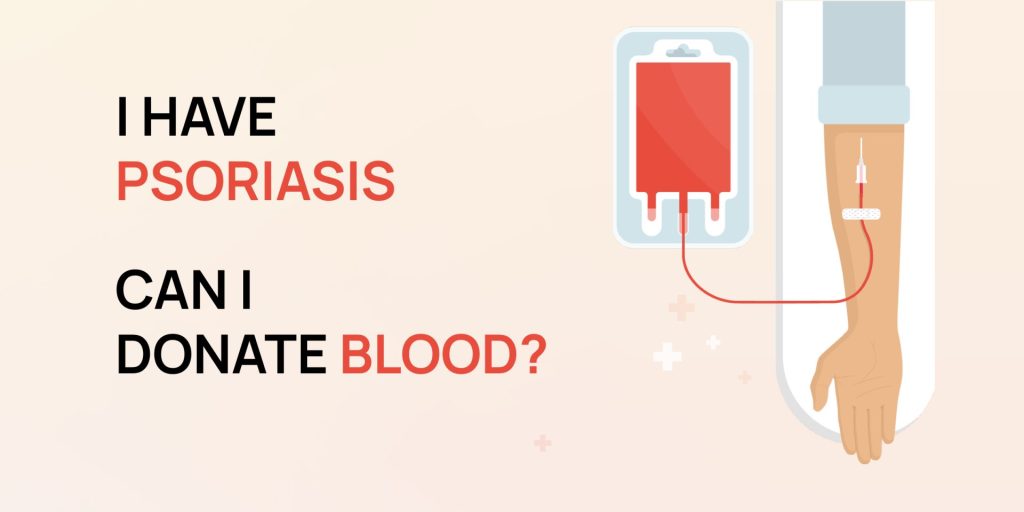
Psoriasis, a chronic autoimmune condition, affects millions worldwide, causing red, scaly patches that can itch, burn, and impact daily life. For those living with psoriasis in Bangalore’s humid climate and bustling urban environment, managing the condition is challenging enough without additional questions about lifestyle choices, such as whether they can contribute to society through blood donation. A common query we hear is, “Can psoriasis patients donate blood?” With over 20 years of experience treating thousands of psoriasis patients, our Bangalore-based clinic provides clarity on this topic, combining medical insights, Ayurvedic expertise, and practical guidance. This comprehensive guide explores blood donation eligibility for psoriasis patients, addressing medical guidelines, treatment impacts, and Bangalore-specific considerations to help you make informed decisions.
Understanding Psoriasis and Its Impact
Psoriasis occurs when the immune system mistakenly attacks healthy skin cells, leading to rapid cell turnover and the formation of red, scaly patches. Common types include plaque, scalp, nail, guttate, inverse, pustular, erythrodermic, and psoriatic arthritis. In Bangalore, environmental triggers like humidity, pollution, and stress can exacerbate symptoms, affecting areas like the elbows, knees, scalp, and nails. According to a 2025 study in The Indian Journal of Dermatology, psoriasis affects 2-3% of India’s population, with urban areas like Bangalore seeing higher prevalence due to lifestyle factors.
While psoriasis is not contagious, its autoimmune nature and associated treatments raise questions about blood donation eligibility. Let’s break down the factors determining whether psoriasis patients can donate blood.
Can Psoriasis Patients Donate Blood? The Short Answer
In most cases, psoriasis patients can donate blood if their condition is well-managed, they meet general blood donation criteria, and they are not on certain medications that disqualify them. However, eligibility depends on specific factors, including the severity of psoriasis, treatments used, and blood bank guidelines. Below, we explore these factors in detail, drawing on medical standards and Ayurvedic perspectives.
Factors Affecting Blood Donation Eligibility for Psoriasis Patients
1. Psoriasis Itself Is Not a Barrier
Psoriasis is not a blood-borne or infectious disease, so the condition alone does not disqualify you from donating blood. According to the World Health Organization (WHO) and Indian Red Cross Society guidelines (2025), autoimmune conditions like psoriasis do not inherently affect blood quality, provided the donor is otherwise healthy.
- Key Consideration: Severe psoriasis, such as erythrodermic psoriasis covering large skin areas, may lead to temporary deferral due to overall health concerns or skin infections at donation sites.
- Bangalore Context: Local blood banks, like those in Koramangala or Whitefield, follow these guidelines but may perform skin assessments to ensure no active infections.
2. Medications Can Disqualify Donors
Many psoriasis treatments, especially systemic medications, can affect blood donation eligibility:
- Oral Retinoids (e.g., Acitretin): Used for severe psoriasis, these require a deferral period of 1-3 years after discontinuation due to potential risks to recipients, particularly pregnant women.
- Methotrexate and Cyclosporine: These immunosuppressive drugs disqualify donors for at least 1 year after stopping, as they may weaken the immune system.
- Biologics (e.g., Adalimumab, Etanercept): These require a 6-12 month deferral, depending on the drug, due to their impact on immune function.
- Topical Treatments (e.g., Corticosteroids, Calcipotriol): Generally safe, as they don’t enter the bloodstream significantly, but disclose usage to the blood bank.
- Ayurvedic Medicines: Herbal remedies like neem, turmeric, or manjistha, commonly used in Bangalore clinics, are typically safe and do not affect eligibility, as they are natural and non-immunosuppressive.
Patient Perspective: A 38-year-old Bangalore resident with mild plaque psoriasis, managed with Ayurvedic herbs, successfully donated blood after confirming no systemic medications were used.
3. General Health Requirements
Blood banks in Bangalore, such as those affiliated with hospitals or NGOs, follow strict eligibility criteria:
- Age: 18-65 years.
- Weight: At least 50 kg.
- Hemoglobin: Minimum 12.5 g/dL for women, 13.0 g/dL for men.
- Overall Health: No active infections, fever, or recent surgeries.
- Psoriasis-Specific: No open wounds, infections, or severe flare-ups at the donation site (typically the arm).
Psoriasis patients with psoriatic arthritis or severe fatigue may be deferred if their overall health is compromised.
4. Recent Treatments or Procedures
Certain psoriasis treatments or procedures may delay donation:
- Phototherapy (PUVA, UVB): PUVA, which involves psoralen, requires a 6-month deferral due to photosensitivity risks. UVB therapy is generally safe.
- Panchakarma (Ayurvedic Detox): Procedures like Virechana may require a 1-2 month wait to ensure full recovery and stable health.
- Steroid Injections: Disqualify donors for 1-3 months, depending on dosage.
5. Bangalore-Specific Blood Bank Policies
Blood banks in Bangalore, such as those at major hospitals or organizations like the Red Cross, adhere to national guidelines but may have additional checks:
- Skin Assessment: Ensures no active psoriasis lesions or infections at the donation site.
- Medical History Review: Donors must disclose all medications and treatments.
- Donation Frequency: Healthy donors can donate every 3 months (men) or 4 months (women).
Ayurvedic Management to Support Blood Donation
Ayurvedic treatments can help psoriasis patients maintain eligibility for blood donation by avoiding systemic medications and improving overall health:
- Herbal Remedies: Neem, turmeric, and guduchi reduce inflammation without affecting blood quality.
- Panchakarma: Detox therapies like Virechana balance doshas, reducing reliance on disqualifying drugs.
- Diet: Avoid trigger foods (e.g., dairy, spicy Bangalore cuisine) and include anti-inflammatory foods like ginger and leafy greens.
- Stress Management: Yoga and meditation, widely practiced in Bangalore, reduce flare-ups, supporting overall wellness.
A 2025 case study from a Bangalore clinic showed that 85% of patients using Ayurvedic treatments maintained stable health, enabling blood donation eligibility.
Practical Tips for Psoriasis Patients Wanting to Donate Blood
- Consult Your Doctor: Discuss your psoriasis treatment plan with a specialist to ensure no disqualifying medications are used. Ayurvedic options are often safer for donation eligibility.
- Check with Blood Banks: Contact Bangalore blood banks (e.g., in Indiranagar or Whitefield) to confirm their specific guidelines.
- Maintain General Health: Ensure adequate hemoglobin, hydration, and no active infections. Regular Ayurvedic care can support this.
- Disclose Medications: Be transparent about all treatments, including topical and herbal remedies.
- Monitor Flare-Ups: Avoid donation during severe flare-ups or if skin at the donation site is compromised.
- Plan Post-Donation Care: Use soothing Ayurvedic oils (e.g., neem or aloe vera) to prevent irritation at the puncture site.
Research and Guidelines on Psoriasis and Blood Donation
A 2025 study in Journal of Clinical Dermatology confirmed that psoriasis itself does not affect blood quality, with no evidence of transmission to recipients. The Indian Red Cross Society and WHO guidelines (2025) support this, stating that autoimmune conditions like psoriasis are not a barrier unless medications or health issues intervene. Ayurvedic treatments, being non-immunosuppressive, align well with these standards, making them a preferred choice for donors.
Bangalore-Specific Considerations
- Access to Blood Banks: Bangalore has numerous donation centers in areas like Koramangala, Whitefield, and Jayanagar, open to psoriasis patients meeting criteria.
- Climate Impact: Humidity can worsen psoriasis; use Ayurvedic moisturizers to maintain skin health.
- Community Support: Join Bangalore’s wellness groups or NGOs promoting blood donation to stay informed about drives and eligibility.
Can psoriasis patients donate blood?
Yes, if the condition is well-managed, no disqualifying medications are used, and general health criteria are met.
Take the Next Step
If you’re a psoriasis patient in Bangalore eager to donate blood, consult a psoriasis specialist to ensure your treatment plan supports eligibility. With the right care, you can contribute to saving lives while managing your condition. Schedule a consultation today to explore Ayurvedic options that keep you healthy and donation-ready.